Electric Vehicles and Rust Check: Do EVs Really Need Rust Control?
EVs may be electric, but their bodies still live in the real world-rain, salt, slush, and rust don’t care about your battery pack.
That’s the uncomfortable truth people don’t hear when they’re dazzled by the sleek lines of a Tesla Model 3 or patting themselves on the back for finally “breaking up” with the gas pump. EVs are a win for the environment (sort of), a win for your wallet (depending on hydro rates), and definitely a win for dinner-party bragging rights. But here’s the elephant in the garage: EVs rust, same as every other hunk of metal on four wheels.
And if you live in Toronto, Scarborough, or basically anywhere winter slop eats cars alive, pretending rust doesn’t exist is financial denial. Rust is like that shady friend who shows up uninvited, eats your snacks, and doesn’t leave-once it’s in, it spreads.
So, do EVs really need rust control? Or is this just another dealership upsells? Let’s dive into the gritty truth.
Table of Content
- Key Takeaways
- The EV Myth That Needs Busting
- Batteries Don’t Rust-But Everything Around Them Does
- The “Silent Killer” of Resale Value
- EV-Specific Rust Triggers Nobody Warns You About
- Rust Control Options – Old Tricks, New Cars
- Do the Math – Is Rust Check Worth It for EV Owners?
- Frequently Asked Questions (FAQs)
- Final Thoughts
Key Takeaways
For the scroll-happy, voice-assistant crowd:
- Yes, EVs can rust. Battery doesn’t equal bulletproof.
- Rust tanks resale. A crusty wheel well will cost you more than high mileage.
- Your battery isn’t the target. But the frame, suspension, and panels sure are.
- Prevention is cheaper than repairs. Salt wins battles, but you don’t have to let it win the war.
- Toronto drivers, listen up. Our winter roads are basically rust incubators.
The EV Myth That Needs Busting
Let’s kill this myth once and for all: EVs are not immune to rust.
Where did this idea come from? Probably from the fact that EVs don’t have tailpipes, mufflers, or gas tanks-the parts we’re used to seeing rot on old gas cars. But that doesn’t mean the rest of the car is indestructible.
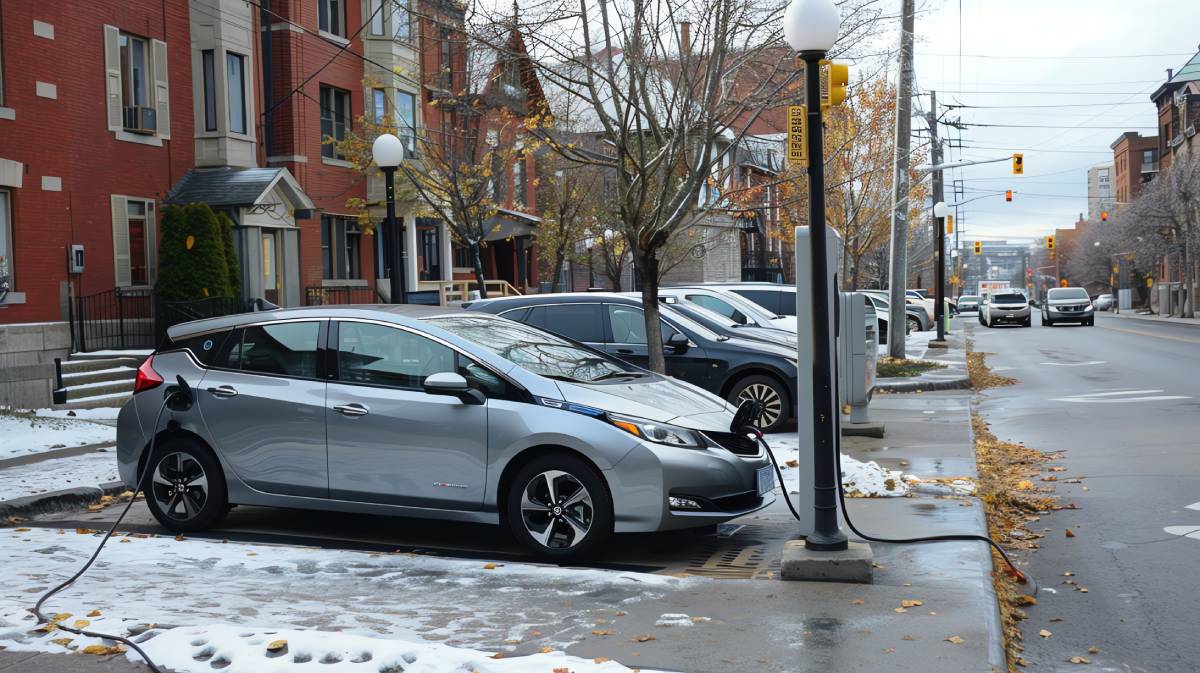
Take Toronto winters. Between November and April, road crews dump millions of kilograms of salt onto the streets. That salt doesn’t just melt ice-it creeps into seams, suspension arms, and underbody cavities. Whether you drive a Tesla, a Ford F-150 Lightning, or a Hyundai Ioniq, salt doesn’t discriminate.
And here’s the kicker: EVs are often heavier than gas cars, thanks to those chunky battery packs. That means suspension and undercarriage parts face extra stress. Stress + salt = corrosion buffet.
Batteries Don’t Rust-But Everything Around Them Does
Let’s clear something up: your EV’s lithium-ion battery isn’t rusting. It’s sealed tighter than a Vegas vault. But that doesn’t mean the rest of your car is safe.
What actually rusts?
- Steel frames and rocker panels – prime real estate for salt.
- Aluminum panels – they don’t rust like steel, but they corrode. That chalky white pitting on your rims? Aluminum’s version of rust.
- Painted surfaces – rock chips expose bare metal, and rust moves in like a squatter.
- Bolts and fasteners – even stainless can corrode under constant brine exposure.
Bottom line: your EV battery may be future tech, but the rest of your car is still very much living in the rust-prone present.
The “Silent Killer” of Resale Value
If you think rust is just about looks, ask anyone who’s tried to sell a rusty used car. Buyers run faster than you can say “price drop.”
With EVs, resale paranoia is double: buyers are already worried about battery health, charging cycles, and software updates. Add visible rust? That’s an instant red flag.
Think about it: would you pay top dollar for a Tesla Model Y with bubbling wheel arches? Or a Nissan Leaf with a crusty undercarriage? Exactly. Rust isn’t just cosmetic-it signals neglect. And nothing kills resale confidence faster than the thought of future repair bills.
In short, rust is the silent killer of resale value. Ignore it, and you’ll pay later.
Rust doesn’t wait-and neither should you. Protect your EV the right way: visit your nearest Rust Check dealer today through rustcheck.ca
EV-Specific Rust Triggers Nobody Warns You About
Here’s where it gets sneaky. EVs have quirks that make rust sneak in faster:
- Extra weight: That massive battery makes the car heavier. More weight = more stress on suspension mounts, bolts, and seams-perfect rust targets.
- Salt shelf effect: Many EVs have flat battery trays underneath. Guess what collects on those flat surfaces? Salt slush.
- Whisper quiet rides: Gas cars vibrate, which sometimes shakes moisture loose. EVs? Silent and smooth, which means water and brine can linger longer.
So, while you’re bragging about your whisper-quiet EV, rust is quietly partying underneath.
Rust Control Options – Old Tricks, New Cars
Rust prevention isn’t new, but how it applies to EVs is worth unpacking.
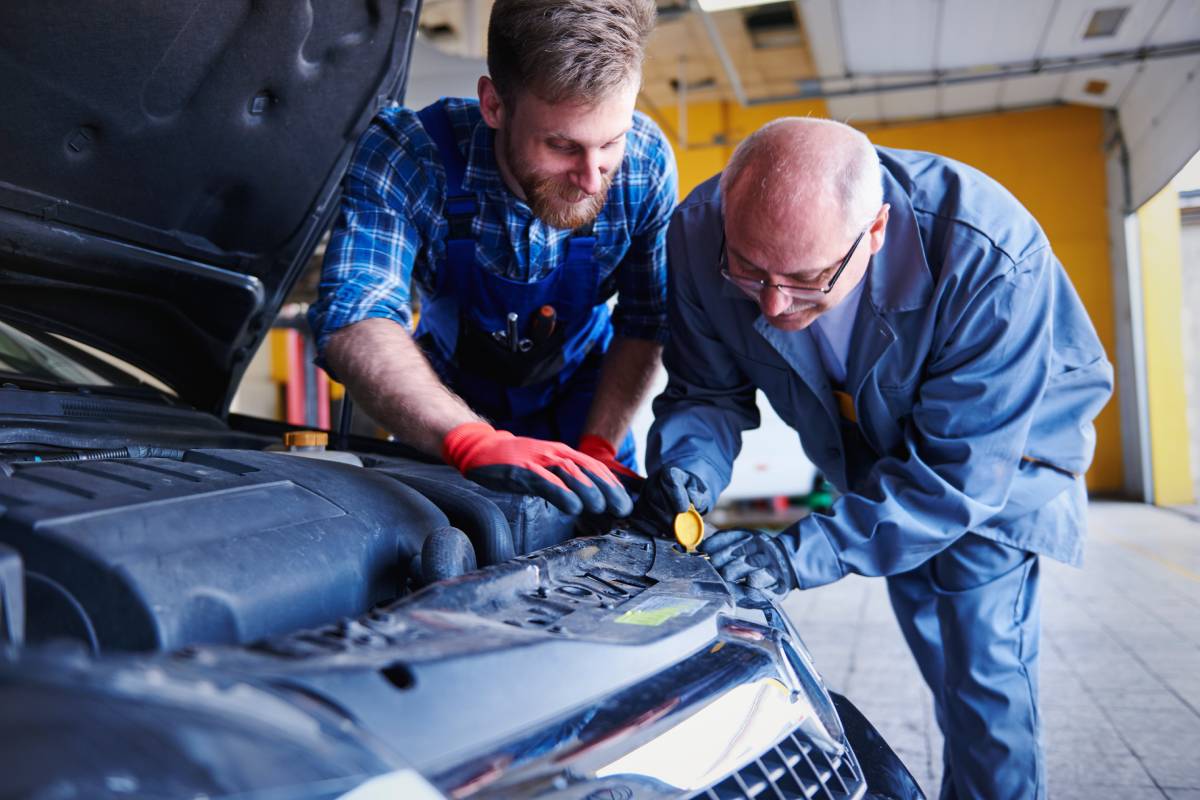
- Oil sprays (creeping oil): Still the MVP. It seeps into seams, covers brake lines, and works regardless of powertrain. Just make sure the shop knows what they’re doing around EV wiring.
- Undercoatings: Good if applied correctly, terrible if slapped over dirt or salt. Traps moisture if done wrong.
- Electronic rust modules: The most debated option. Some swear by them, others call them snake oil. Verdict: not enough on their own.
For EVs, traditional oil sprays and high-quality coatings still make sense. Just be picky about the shop. You want a tech who understands EVs, not someone who’s still thinking in carburetors.
Do the Math – Is Rust Check Worth It for EV Owners?
Let’s talk dollars.
- Annual prevention: $150–$300.
- Rust repair: Thousands, especially if it hits suspension components or body panels.
- Resale hit: One photo of a rusty undercarriage online and your trade-in value crumbles.
If you’re leasing for three years and handing the car back, maybe you skip it. But if you’re keeping your EV five, ten years-or you plan to sell it privately-rust control isn’t optional. It’s insurance for your investment.
Frequently Asked Questions (FAQs)
Do EVs rust less than gas cars?
Nope. They rust about the same-sometimes worse because of weight and design quirks.
Can rust damage my EV battery?
Not directly. But rusted mounts or trays can compromise safety.
Is undercoating safe for an EV?
Yes, if done by a shop that knows EVs. Don’t let anyone spray over vents or connections.
How often should I rust-proof an EV?
Once a year if you live in Toronto or anywhere with winter salt.
What if I lease my EV-do I still need rust control?
Short leases? Probably not. Planning to buy it out later? Then yes, it matters.
Will rust void my EV warranty?
No, but warranties rarely cover corrosion. It’s your problem.
Do Teslas really rust faster, or is that just internet drama?
Tesla paint has been called thin, especially on early models. In salty climates, yes, issues pop up faster.
Final Thoughts
EVs might save you on gas, but they won’t save you from rust. Road salt doesn’t care if your car hums or roars. Rust control isn’t fearmongering-it’s common sense.
Think of it as future-proofing. Whether you’re driving a Tesla, a Leaf, or your buddy’s DIY e-conversion, rust protection is what separates “still looks new” from “please don’t lowball me” at resale time.
Why Drivers Across Canada Trust RustCheck.ca – Rust Protection That Works in Every Season
For over 50 years, RustCheck.ca has helped Canadians protect their vehicles from rust, salt, and harsh winter driving conditions. From daily commuters to fleets and commercial vehicles, our rustproofing and rust control services extend vehicle life, protect resale value, and provide peace of mind.
Our Services Include:
- Rust Check Body Panel Protection – Canada’s trusted liquid rust inhibitor since 1973.
- Coat & Protect Undercarriage Treatment – Premium corrosion shield for long-lasting protection.
- Two-Step Rust Check Application – Tailored treatments for different parts of your vehicle.
- Fleet, Trucks & Trailers Rust check and Rust Control Programs – Cost-effective protection for business and government vehicles.
- New Car Rust Protection – Prevent rust before it starts.
- Specialty Vehicle Programs – Ambulances, cranes, and commercial equipment.
- Seasonal Vehicle Care Advice – Expert tips, blogs, and videos to help you stay ahead of rust year-round.
With a national dealer network across Canada, it’s easy to find a Rust Check location near you. Explore our dealer list to book your appointment today and keep your vehicle protected wherever you drive.
Whether you’re looking to protect your daily driver, keep your work fleet reliable, or maximize the life of your new vehicle, RustCheck.ca has the expertise, technology, and national presence to help you stay ahead of rust.