How Rust Check Protects Your Car's Brake Lines from Corrosion in Canada’s Winter
Canadian winters are brutal on vehicles. Road salt, slush, freezing rain, and constant moisture don’t just make driving messy - they quietly attack the metal underneath your car.
And one of the most vulnerable, overlooked components?
Your brake lines.
When most drivers search for rust proofing, rust control, or long-term rust protection in Canada, they think about body panels or wheel wells. But brake line corrosion is one of the most serious winter-related mechanical risks your vehicle faces.
Let’s break down why it happens and how Rust Check helps prevent it.
Table of Contents
- Key Takeaways
- Why Brake Lines Rust So Quickly in Canada
- What Happens When Brake Lines Corrode?
- How Corrosion Develops Under Your Vehicle
- Why Car Washes and DIY Sprays Aren’t Enough
- How Rust Check Protects Brake Lines
- Why Annual Rust Proofing Matters in Ontario
- Signs Your Brake Lines May Be Rusting
- Prevention vs. Repair: The Cost Difference
- Is It Too Late for Older Vehicles?
- What About New Vehicles?
- Long-Term Benefits Beyond Safety
- Frequently Asked Questions
- Final Thoughts: Protect What You Can’t See
Key Takeaways
- Brake lines are directly exposed to salt and moisture all winter
- Corrosion can cause leaks, pressure loss, and brake failure
- Rust often begins underneath the vehicle where it’s unseen
- Professional rust proofing protects hidden metal components
- Rust Check treatments penetrate seams and displace moisture
- Annual rust control is strongly recommended in Ontario
- Preventative protection costs far less than brake system repairs
Why Brake Lines Rust So Quickly in Canada
If you drive anywhere in Canada - especially Ontario - your vehicle is exposed to heavy road salt for months every year.
Salt lowers the freezing point of water, which keeps roads safer. But chemically, it accelerates corrosion. When salt mixes with water and oxygen, it creates the perfect environment for metal oxidation.
Brake lines sit:
- Underneath the vehicle
- Along the frame and chassis
- Directly exposed to road spray
- Constantly coated in salty slush
They don’t get waxed. They’re rarely inspected. And most drivers don’t think about them until something goes wrong.
That’s why rust protection in Canada isn’t just cosmetic - it’s about mechanical safety.
What Happens When Brake Lines Corrode?
Brake lines carry hydraulic fluid from the master cylinder to the calipers. They operate under high pressure every time you press the brake pedal.
When corrosion weakens them, they can:
- Develop pinhole leaks
- Burst under pressure
- Reduce braking performance
- Trigger dashboard warning lights
- Cause failure during safety inspections
In Ontario, severe brake line corrosion can mean failing a vehicle safety inspection. In worst-case scenarios, it can result in sudden brake failure - especially dangerous on icy highways.
This is where professional rust control makes a major difference.
How Corrosion Develops Under Your Vehicle
Rust doesn’t appear overnight. It develops gradually, often without visible warning.
Here’s how it typically progresses:
- Salt and Moisture Accumulate
Winter driving coats the undercarriage with corrosive residue.
- Factory Coatings Break Down
Protective coatings wear off after 3–5 winters, especially in salt-heavy regions.
- Surface Rust Forms
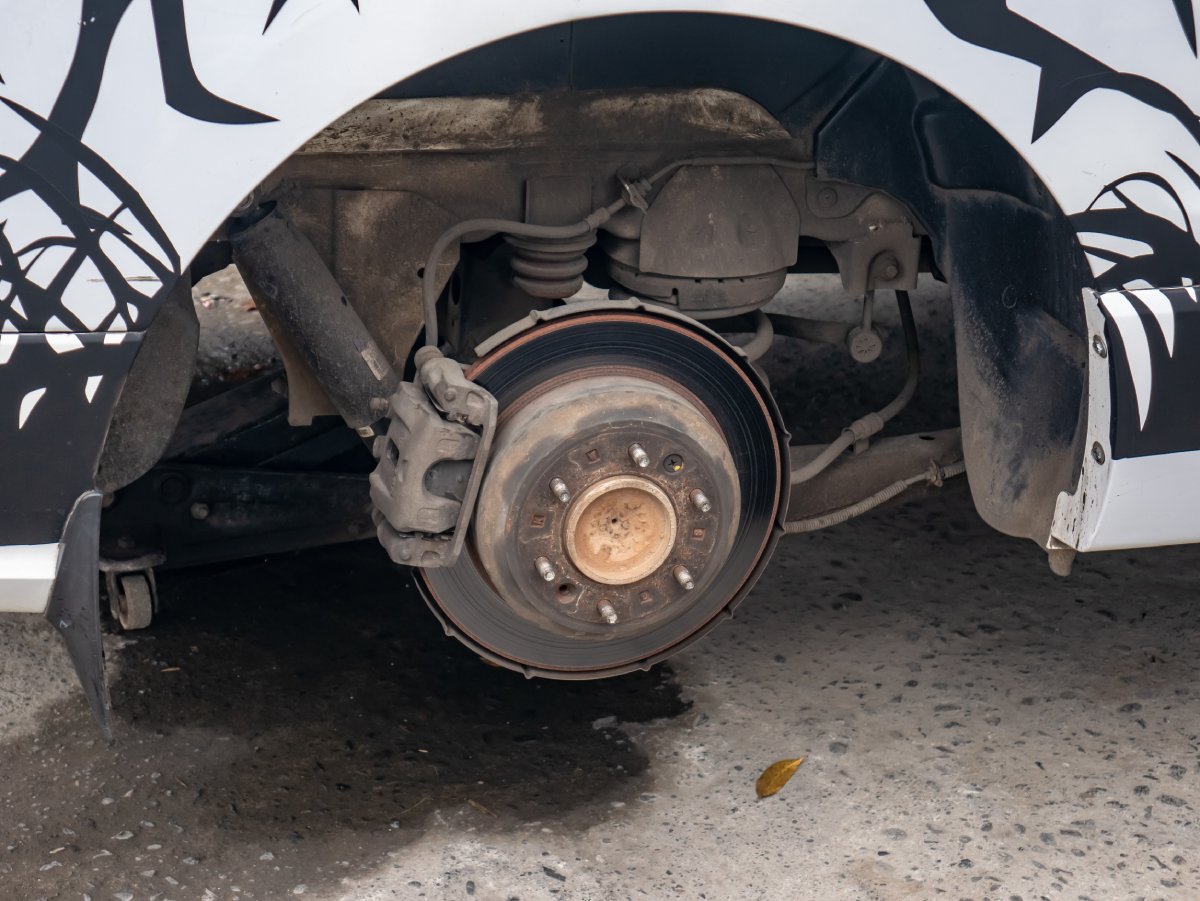
You may see scaling or flaking along brake tubing.
- Structural Weakening Begins
Metal thins. Pressure tolerance drops. Risk increases.
Without proactive rust protection, this cycle repeats every winter.
Why Car Washes and DIY Sprays Aren’t Enough
Many drivers try to prevent rust with:
- Undercarriage washes
- Spray-on coatings
- Rubberized undercoating
Car washes help remove surface salt, but they cannot penetrate tight seams, mounting brackets, overlapping panels, or enclosed sections where brake lines run.
Rubberized coatings can even trap moisture if applied improperly.
Professional rust proofing treatments are designed differently. They are engineered to:
- Penetrate deeply into seams
- Displace trapped moisture
- Coat exposed metal evenly
- Interrupt active corrosion
Protection isn’t just about surface coverage - it’s about reaching the areas you cannot see.
How Rust Check Protects Brake Lines
Rust Check uses a thin, penetrating formula specifically developed for Canadian climates.
Here’s how it works:
Moisture Displacement
The treatment actively pushes out moisture trapped on metal surfaces.
Seam Penetration
It creeps into joints, brackets, overlapping panels, and around brake line routes.
Corrosion Interruption
It slows the oxidation process that causes rust to spread.
Layered Annual Protection
With consistent yearly applications, a protective barrier is maintained over time.
Unlike thick undercoatings, Rust Check’s penetrating formula reaches hidden metal components - which is critical for brake lines running along the frame.
Why Annual Rust Proofing Matters in Ontario
Ontario uses significant amounts of road salt every winter.
Each season:
- Reintroduces moisture
- Restarts corrosion cycles
- Wears down existing protection
That’s why most rust control professionals recommend annual treatments.
Skipping a year allows corrosion to restart and accelerate. Consistency is key for long-term rust protection.
Signs Your Brake Lines May Be Rusting
You don’t need to be a mechanic to recognize early warning signs.
Watch for:
- Flaking or scaling metal under the vehicle
- Reddish-brown residue along tubing
- Soft or spongy brake pedal feel
- Brake fluid leaks
- Failing safety inspection
If you notice these symptoms, inspection is critical.
But ideally, rust proofing happens before damage reaches this stage.
Prevention vs. Repair: The Cost Difference
Brake line replacement in Canada can cost hundreds - sometimes over $1,000 depending on the vehicle and labor required.
Additional costs may include:
- Towing
- Re-testing for safety certification
- Replacement of other corroded components
Preventative rust control is significantly more affordable.
Many Canadian drivers view annual Rust Check treatments as undercarriage insurance — a small investment compared to emergency brake repairs.
Is It Too Late for Older Vehicles?
Not necessarily.
Even if surface corrosion has already begun, rust protection treatments can:
- Slow further deterioration
- Reduce moisture exposure
- Help preserve remaining structural integrity
While it won’t reverse severe rust damage, it can prevent rapid progression.
The earlier you start, the better but protection is rarely wasted.
What About New Vehicles?
Many drivers assume new cars don’t need rust proofing.
However:
- Factory coatings are thinner than most expect
- They are not designed specifically for heavy Ontario salt use
- Protection degrades within a few winters
Starting rust control early builds long-term defense from year one.
That’s why many Canadians schedule rust proofing shortly after purchasing a new vehicle.
- Should You Rust Proof Your Car When It’s New or Wait for a Few Years? A Complete Guide to Rust Protection in Canada
- Does Rust Check Prevent Rust on Your Car’s Exhaust System?
- Top 5 Rust Prevention Tips for New Car Owners in Canada
- 7 Myths About Rust Proofing Every Canadian Driver Should Stop Believing
Long-Term Benefits Beyond Safety
Brake line corrosion doesn’t only affect safety - it affects vehicle value.
Rust impacts:
- Trade-in appraisals
- Lease return inspections
- Private resale negotiations
Dealerships and buyers inspect undercarriages carefully.
Visible corrosion signals neglect.
Documented rust protection history demonstrates proactive maintenance- which increases buyer confidence.
Protect Your Brake Lines Before Winter Wins
Brake line corrosion is preventable- but only if you act early.
Canadian winters won’t get easier. Road salt won’t disappear.
But rust damage doesn’t have to be inevitable.
Book your annual Rust Check treatment today or locate an authorized dealer at RustCheck.ca and give your vehicle the protection it deserves.
Frequently Asked Questions
Is rust proofing necessary in Ontario?
Yes. Ontario’s heavy salt usage significantly increases corrosion risk. Annual rust protection helps prevent mechanical damage.
How often should I get rust control treatment?
Most professionals recommend yearly applications for consistent coverage.
Can rust control save severely rusted brake lines?
Surface-level corrosion may be slowed. Severely weakened lines typically require replacement.
Is undercarriage washing enough?
Washing removes salt but does not provide lasting protective coverage.
Does rust protection help older vehicles?
Yes. It can slow further deterioration even if surface rust is already present.
Final Thoughts: Protect What You Can’t See
Brake lines may not be visible - but they are essential to your safety.
Once corrosion sets in, repairs can become expensive and urgent.
Consistent rust proofing, professional rust control, and penetrating rust protection treatments help keep your vehicle structurally sound year after year.
Canadian winters aren’t gentle. Your undercarriage shouldn’t be unprotected.
If you drive in Ontario - or anywhere salt is used heavily - preventative protection today can prevent mechanical failure tomorrow.
Protect your brake lines before winter does damage.
Why Drivers Across Canada Rely on RustCheck.ca – Proven Rust Protection for Every Season
For more than five decades, RustCheck.ca has helped Canadians defend their vehicles against rust, road salt, and the harsh realities of winter driving. From everyday commuters to commercial fleets, our rust proofing and rust control solutions are designed to extend vehicle lifespan, preserve resale value, and deliver long-term peace of mind.
Our Services Include:
- Rust Check Body Panel Protection – Canada’s trusted liquid rust inhibitor, protecting vehicles since 1973.
- Coat & Protect Undercarriage Treatment – A premium corrosion barrier built for lasting durability.
- Two-Step Rust Check Application – Customized protection for both body panels and undercarriage components.
- Fleet, Truck & Trailer Rust Control Programs – Scalable, cost-efficient solutions for business and government vehicles.
- New Vehicle Rust Protection – Stop corrosion before it has a chance to begin.
- Specialty Equipment Programs – Protection for ambulances, cranes, service vehicles, and heavy-duty equipment.
- Seasonal Vehicle Care Guidance – Expert advice, blogs, and videos to help you stay ahead of corrosion year-round.
With an extensive dealer network across Canada, finding a Rust Check location near you is simple. Visit RustCheck.ca to explore our authorized dealers and book your appointment today.
Whether you're protecting your personal vehicle, maintaining a commercial fleet, or safeguarding a brand-new investment, RustCheck.ca provides the experience, technology, and nationwide support to keep you ahead of rust - in every season.