How Often Should You Inspect Your Vehicle for Rust in Canada?
If you drive in Canada, rust is not just a minor cosmetic problem, it’s one of the biggest long-term threats to your vehicle.
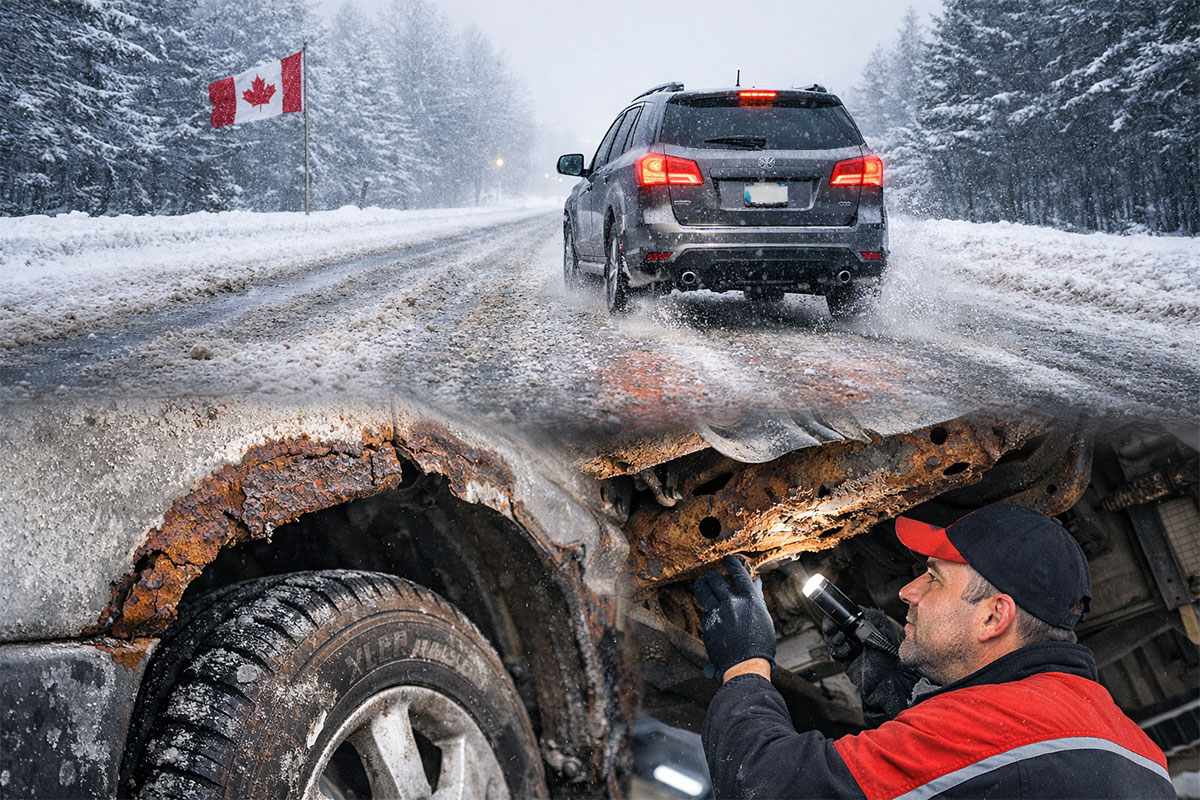
Between road salt, freezing winters, slushy roads, and constant temperature swings, Canadian vehicles operate in one of the most aggressive corrosion environments in the world. Even a well-maintained car can start developing rust if proper rust protection measures are not taken.
The challenge is that rust rarely appears suddenly. It usually begins quietly in hidden areas like the undercarriage, frame rails, or inside door seams. By the time drivers notice bubbling paint or rust around wheel wells, corrosion has often been developing for months, sometimes years.
This is why regular Rust Check inspections, rust proofing treatments, and proactive rust control maintenance are essential for Canadian vehicle owners.
One question driver asks more than any other is simple:
How often should you inspect your vehicle for rust in Canada?
The answer depends on several factors such as your driving habits, the age of your vehicle, and how harsh winter conditions are in your region.
Table of Contents
- Key Takeaways
- Why Rust Is a Serious Problem for Vehicles in Canada
- What Is a Rust Check Inspection?
- How Often Should You Inspect Your Vehicle for Rust in Canada?
- Why Annual Rust Proofing Matters
- When Vehicles Need More Frequent Rust Inspections
- The Best Time of Year for Rust Proofing in Canada
- Early Signs Your Vehicle May Have Rust
- Rust Check vs Rust Proofing vs Rust Control vs Rust Protection
- Practical Rust Prevention Tips for Canadian Drivers
- FAQs About Rust Check and Rust Protection in Canada
- Conclusion
Key Takeaways
- Before we dive deeper, here are the most important points Canadian drivers should know about rust prevention:
- Canadian winters make vehicle rust protection essential for long-term vehicle ownership.
- Most vehicles should receive a Rust Check inspection once per year.
- Vehicles older than five years may require more frequent rust control inspections.
- Ontario drivers face higher corrosion risk due to heavy road salt use.
- Early rust detection can save thousands of dollars in repairs.
- Annual rust proofing treatments help protect the undercarriage and structural components.
- Scheduling a professional Rust Check service near you is one of the easiest ways to extend the life of your vehicle.
Why Rust Is a Serious Problem for Vehicles in Canada
At first glance, rust may look like a small cosmetic problem. A little corrosion around a wheel well or a small bubble under the paint might not seem like a big deal.
But rust rarely stays small.
Once corrosion begins, it spreads beneath paint, coatings, and metal seams. Over time, rust can weaken structural parts of the vehicle such as frame rails, suspension mounts, and brake lines.
Canada’s climate creates the perfect conditions for this process.
Road Salt and De-Icing Chemicals
During winter, Canadian municipalities spread large quantities of road salt to keep highways and streets safe. While salt improves driving conditions, it dramatically accelerates corrosion.
Salt lowers the freezing point of water, which keeps roads wet longer. This salty moisture sticks to the underside of vehicles and speeds up the oxidation process responsible for rust.
Vehicles in provinces like Ontario, Quebec, and the Maritimes are especially vulnerable because roads may remain salted for several months each year.
Freeze and Thaw Cycles
Another factor unique to Canada is the frequent temperature swings during winter.
Temperatures often move above and below freezing within a short period. When snow melts and refreezes, moisture penetrates small cracks and seams in the vehicle’s metal surfaces.
These areas trap moisture and create the perfect environment for corrosion to begin.
Snow, Slush, and Hidden Moisture
When driving through snow and slush, moisture can collect in areas that are difficult to see or clean.
Common rust-prone areas include:
- Frame rails
- Wheel wells
- Door seams
- Suspension components
- Brake lines
- Undercarriage panels
Without proper rust protection, corrosion can start in these hidden areas long before drivers notice visible signs.
What Is a Rust Check Inspection?
A Rust Check inspection is a professional evaluation designed specifically to identify early corrosion risks and apply protective treatments.
Unlike a standard mechanical inspection, which focuses on engine and safety components, a Rust Check inspection targets areas where rust commonly begins.
Technicians typically inspect:
- The vehicle undercarriage
- Wheel wells and suspension components
- Door panels and seams
- Frame and structural areas
- Moisture traps and drainage points
The purpose is not only to detect rust but also to apply protective coatings that help prevent corrosion from forming in the first place.
Regular inspections allow technicians to identify vulnerable areas before rust spreads.
How Often Should You Inspect Your Vehicle for Rust in Canada?
For most Canadian drivers, the simplest rule is:
Inspect your vehicle for rust once per year.
Annual Rust Check inspections help ensure that protective coatings remain effective and corrosion is detected early.
During an inspection, technicians can:
- Examine the undercarriage for corrosion
- Apply fresh rust proofing treatments
- Identify early rust formation
- Reinforce protective coatings
Because winter conditions slowly wear down rust protection layers, yearly inspections help maintain consistent corrosion defense.
Drivers who follow an annual rust inspection routine often experience significantly less rust damage over the life of their vehicles.
Why Annual Rust Proofing Matters
Some drivers believe rust proofing is something that only needs to be done once.
In reality, annual rust proofing is one of the most effective rust protection strategies for Canadian vehicles.
Every year your vehicle experiences:
- Road salt exposure
- Moisture buildup
- Gravel and debris impacts
- Temperature fluctuations
Over time, these factors slowly degrade protective coatings.
Regular rust proofing treatments replenish these protective layers, preventing metal from being exposed to oxygen and moisture.
Drivers who maintain consistent rust control treatments often keep their vehicles rust-free for many additional years.
When Vehicles Need More Frequent Rust Inspections
While yearly inspections are sufficient for most drivers, some situations require more frequent rust monitoring.
Vehicles Older Than Five Years
Factory corrosion protection becomes less effective over time.
Older vehicles may develop small rust spots that should be monitored regularly. Drivers with aging vehicles may benefit from rust inspections every six to eight months.
High-Mileage Drivers
Drivers who commute long distances or drive daily in winter conditions face greater exposure to salt and moisture.
Delivery drivers, rideshare drivers, and frequent commuters may need additional rust protection checks.
Drivers in Heavy Salt Regions
Cities such as:
- Toronto
- Ottawa
- Hamilton
- London
- Barrie
use large quantities of road salt every winter. Vehicles operating in these regions experience significantly higher corrosion risk.
Additional rust control inspections can help reduce long-term damage.
The Best Time of Year for Rust Proofing in Canada
Timing can make rust protection even more effective.
Fall: The Ideal Time
Fall is often considered the best time to apply rust proofing.
By treating your vehicle before winter begins, protective coatings are already in place when road salt appears.
Spring: Inspection and Maintenance
Spring inspections help identify any corrosion damage caused during winter.
Many drivers follow a two-step strategy:
- Rust proofing in fall
- Rust inspection in spring
This approach provides year-round rust protection.
Early Signs Your Vehicle May Have Rust
Rust does not always appear immediately. However, there are warning signs drivers should watch for.
Common indicators include:
- Bubbling paint
- Rust around wheel wells
- Corrosion near the trunk or tailgate
- Flaking metal underneath the vehicle
- Rust near door hinges or seams
If you notice any of these symptoms, scheduling a Rust Check inspection quickly can help stop corrosion from spreading.
You can schedule your rust protection appointment today or contact us directly for assistance. If you're wondering where to find a Rust Check dealer near you, simply browse our RustCheck dealer directory to locate the closest authorized service center in your area.
Rust Check vs Rust Proofing vs Rust Control vs Rust Protection
These terms are often used interchangeably but represent slightly different aspects of corrosion prevention.
Rust Check
A Rust Check inspection or treatment focuses on identifying corrosion risks and applying protective solutions.
Rust Proofing
Rust proofing refers to applying specialized coatings designed to block moisture and oxygen from reaching metal surfaces.
Rust Control
Rust control focuses on slowing or stopping rust that has already started.
Rust Protection
Rust protection is the overall strategy combining inspections, treatments, and coatings to prevent corrosion.
Together, these approaches provide a complete vehicle protection plan.
- Does Rust Check Prevent Rust on Your Car’s Exhaust System?
- Top 5 Rust Prevention Tips for New Car Owners in Canada
- How to Prepare Your Vehicle for a Rust Check Appointment (A Practical Guide for Canadian Drivers)
- The Complete Guide to Rust Check Locations in Canada: How to Find the Right Dealer Near You
Practical Rust Prevention Tips for Canadian Drivers
Professional treatments are important, but drivers can also reduce corrosion risk through everyday habits.
Wash Your Vehicle During Winter
Regular washing removes salt buildup that accelerates rust formation.
Clean the Undercarriage
Many car washes offer underbody cleaning to remove salt trapped underneath the vehicle.
Repair Paint Chips Quickly
Small paint chips expose bare metal to moisture. Touch-up paint can prevent rust from starting.
Schedule Annual Rust Proofing
The most reliable rust protection strategy remains consistent rust inspections and treatments.
FAQs About Rust Check and Rust Protection in Canada
How often should I rust proof my vehicle in Canada?
Most Canadian drivers should apply rust proofing once per year. Annual rust proofing ensures protective coatings remain effective despite harsh winter conditions, road salt exposure, and moisture. Vehicles driven frequently during winter or older vehicles may benefit from additional rust inspections to maintain strong corrosion protection.
Is rust proofing worth it for new vehicles?
Yes. Even brand-new vehicles benefit from additional rust protection in Canada. While manufacturers apply factory coatings, Canadian winters can still cause corrosion over time. Adding professional rust proofing treatments early helps protect vulnerable areas that factory coatings may not fully cover.
When is the best time for rust proofing in Ontario?
Fall is generally the best time to apply rust protection treatments in Ontario. Applying rust proofing before winter helps shield metal surfaces from road salt and moisture. Many drivers also schedule a rust inspection in spring to assess winter damage and maintain ongoing rust control.
How do I know if my car needs a Rust Check inspection?
If your vehicle is more than one year old or has been through at least one Canadian winter, it’s a good idea to schedule a Rust Check inspection. Signs like bubbling paint, rust near wheel wells, or corrosion underneath the car also indicate that a professional rust inspection may be needed.
Does rust proofing stop existing rust?
Rust proofing primarily prevents new rust from forming. However, rust control treatments can slow or stop existing corrosion from spreading. A professional Rust Check service can assess current rust damage and recommend the best treatment to prevent further deterioration.
How long does rust proofing last?
Most rust protection treatments last about one year under Canadian driving conditions. Road debris, washing, and winter salt exposure gradually wear down protective coatings. That’s why annual rust proofing inspections and treatments are recommended for consistent corrosion protection.
Can rust damage affect vehicle safety?
Yes. Severe rust can weaken structural components such as frame rails, suspension mounting points, and brake lines. This can eventually compromise vehicle safety. Regular rust inspections and rust control treatments help identify corrosion early before it becomes a structural problem.
Conclusion: Protect Your Vehicle Before Rust Starts
Rust is one of the most common and most preventable, causes of long-term vehicle damage in Canada.
Between road salt, winter moisture, and freezing temperatures, Canadian vehicles face constant corrosion risk.
The good news is that regular Rust Check inspections, annual rust proofing treatments, and proactive rust control maintenance can dramatically extend the lifespan of your vehicle.
For most drivers, the best strategy is simple:
Schedule a professional rust inspection once per year.
A quick Rust Check today can prevent costly structural repairs in the future and help maintain the value of your vehicle for years to come.
Why Drivers Across Canada Trust RustCheck.ca
For over 50 years, RustCheck.ca has helped Canadian drivers protect their vehicles from rust caused by road salt, moisture, and harsh winter conditions. Our proven rustproofing and rust control solutions help extend vehicle life, maintain resale value, and keep vehicles protected year-round.
Our Services Include:
- Rust Check Body Panel Protection – Canada’s trusted liquid rust inhibitor since 1973.
- Coat & Protect Undercarriage Treatment – Strong corrosion protection for the vehicle’s underside.
- Two-Step Rust Check Application – Targeted rust protection for different parts of your vehicle.
- Fleet, Truck & Trailer Rust Control Programs – Reliable protection for commercial and government vehicles.
- New Vehicle Rust Protection – Prevent corrosion before it begins.
- Specialty Vehicle Programs – Protection for ambulances, cranes, and other service vehicles.
With a nationwide network of Rust Check dealers across Canada, finding a service location near you is easy. Explore our dealer directory to book your rust protection appointment and keep your vehicle protected wherever you drive.