How to Prepare Your Vehicle for a Rust Check Appointment (A Practical Guide for Canadian Drivers)
If you drive in Canada, rust isn’t a maybe it’s a matter of when. Snow, road salt, slush, temperature swings, and moisture are all part of everyday driving here, especially in Ontario. That’s exactly why Rust Check appointments exist and why proper rust proofing is one of the smartest long-term decisions you can make for your vehicle.
But here’s the part many drivers overlook: how you prepare your vehicle before your Rust Check appointment actually matters. A little preparation helps the treatment work better, last longer, and protect the parts of your vehicle that are most vulnerable to corrosion.
This guide walks you through everything you need to know before your appointment. No technical jargon. No scare tactics. Just practical, real-world advice tailored for Canadian drivers who want reliable rust protection, effective rust control, and peace of mind on salty roads.
Table of Contents
-
Step 3: Don’t Worry About Existing Rust (But Be Aware of It)
-
Step 6: Timing Your Appointment Matters (Especially in Ontario)
-
Understanding the Difference: Rust Proofing vs Rust Control vs Rust Protection
-
Preparing New Vehicles vs Older Vehicles for Rust Protection
Key Takeaways (The Quick Version)
- Rust protection works best when your vehicle is clean and accessible
- You don’t need to “fix” rust before a Rust Check appointment, but you should know where it exists
- Clearing your trunk, hood, and interior panels helps technicians do a thorough job
- Rust proofing is especially important in Ontario’s winter conditions
- Annual rust control is more effective than one-time treatments
- Preparing properly can extend the life of your vehicle by years
- Rust Check treatments are preventative, not cosmetic and that’s a good thing
Why Preparation Matters Before Rust Proofing in Canada
Rust doesn’t start where you can see it. It begins inside panels, seams, doors, rocker panels, and undercarriage cavities places most drivers never think about until damage is already done.
Rust proofing and rust control treatments like Rust Check rely on penetrating oils that creep into seams and moisture-prone areas. For that to happen properly, technicians need clear access and a vehicle that isn’t blocked by clutter, excessive dirt, or aftermarket obstructions.
Think of it like this: rust protection isn’t paint. It’s not sprayed on the surface for looks. It’s a functional treatment designed to stop corrosion at its source and preparation makes that protection more effective.
Step 1: Wash Your Vehicle (Yes, It Matters)
Why a Clean Vehicle Helps Rust Protection Work Better
You don’t need a showroom-level detail, but giving your car a basic exterior wash before your Rust Check appointment is strongly recommended.
Road salt, mud, and grime can trap moisture against metal surfaces. Washing your vehicle removes surface contaminants so technicians can identify vulnerable areas and ensure rust control products reach the right places.
Best practice for Ontario drivers:
- Wash the exterior and wheel wells
- If possible, get an undercarriage rinse
- Avoid wax or sealants right before your appointment
A clean vehicle allows for more accurate rust inspection and better penetration during rust proofing.
Step 2: Clear the Trunk, Cargo Area, and Interior Panels
What Technicians Need Access To
Rust Check treatments often require access to:
- Door panels
- Trunk interiors
- Hood and engine bay areas
- Rocker panels and drain holes
Before your appointment:
- Remove items from your trunk or cargo area
- Clear under-seat storage if applicable
- Remove trunk liners, cargo mats, and spare-tire covers if easy to do
This doesn’t mean dismantling your car. It just means giving technicians room to work efficiently and thoroughly.
For vehicle rust protection in Canada, access matters more than people realize.
Step 3: Don’t Worry About Existing Rust (But Be Aware of It)
A Common Misconception About Rust Control
Many drivers delay rust proofing because they think:
“I already see rust it’s too late.”
That’s not true.
Rust control treatments are designed to slow, stop, and prevent further corrosion, even if surface rust already exists. Rust Check products actively displace moisture and prevent oxygen from feeding corrosion.
What is helpful:
- Noting any visible rust spots
- Mentioning them during your appointment
- Understanding rust protection prevents spread, not cosmetic repair
Rust proofing isn’t bodywork. It’s protection and it’s still extremely valuable, even on older vehicles.
Step 4: Leave Factory Plugs and Panels Alone
Why DIY Prep Can Backfire
Some drivers try to “help” by removing plugs or panels before their appointment. In most cases, this actually causes problems.
Rust Check technicians are trained to:
- Access factory holes properly
- Remove and reinstall plugs correctly
- Ensure seals remain intact after treatment
Unless instructed otherwise:
- Do not remove door plugs
- Do not drill holes
- Do not disassemble panels
Professional rust protection relies on proper access points not shortcuts.
Step 5: Plan for Drips After Your Rust Check Treatment
What to Expect (And Why It’s Normal)
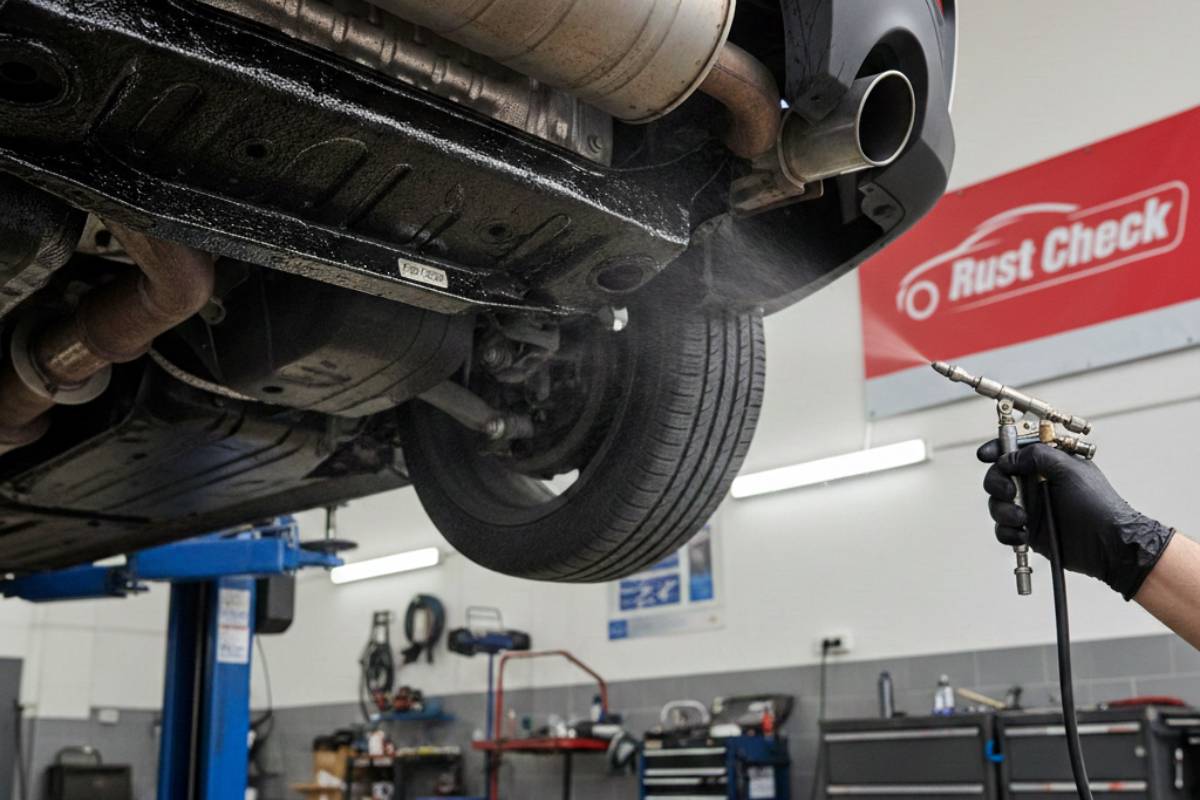
Rust Check uses a non-drying, creeping oil. That’s intentional. It continues moving into seams long after application.
After your appointment:
- You may notice minor drips for 24–48 hours
- Park on cardboard or newspaper if desired
- Avoid washing your vehicle immediately afterward
This is not a flaw. It’s a feature. That creeping action is what makes Rust Check such an effective rust control treatment in Canada.
Ready to put that protection to work?
Book your Rust Check appointment today and give your vehicle the kind of rust control that keeps working long after you leave the shop.
Step 6: Timing Your Appointment Matters (Especially in Ontario)
Best Time of Year for Rust Proofing
Rust protection can be done year-round, but timing does matter.
Ideal times for Ontario drivers:
- Early fall (before salt hits the roads)
- Late summer (dry conditions, clean undercarriage)
Winter appointments are still beneficial, especially if your vehicle is exposed to salt regularly. Just understand that washing beforehand becomes even more important.
Searching for “rust proofing near me Ontario” early in the season often means better availability and less wait time.
Understanding the Difference: Rust Proofing vs Rust Control vs Rust Protection
These terms are often used interchangeably, but here’s how they fit together:
- Rust Protection is the goal keeping your vehicle structurally sound
- Rust Proofing is the preventative treatment applied before rust forms
- Rust Control focuses on slowing or stopping existing corrosion
- Rust Check is a trusted system that does both using penetrating oil
In Canadian climates, long-term vehicle protection usually requires all three, applied consistently.
Why Annual Rust Check Treatments Work Best in Canada
One-Time Treatments vs Ongoing Protection
Rust doesn’t take a year off. Every winter adds exposure.
Annual Rust Check treatments:
- Replenish protective coverage
- Reach new moisture entry points
- Adapt to wear, chips, and seasonal damage
This is especially important for Ontario drivers who:
- Commute daily
- Drive highways frequently
- Park outdoors year-round
Consistent rust control is cheaper than rust repair. Every time.
Preparing New Vehicles vs Older Vehicles for Rust Protection
New Vehicles
- Ideal candidates for rust proofing
- Factory coatings wear down faster than expected
- Early protection preserves resale value
Older Vehicles
- Rust control slows spread dramatically
- Protects structural components
- Extends usable life significantly
Both benefit from proper preparation before a Rust Check appointment.
What You Don’t Need to Do Before a Rust Check Appointment
Let’s clear this up.
You do not need to:
- Sand rust
- Apply DIY sprays
- Seal rust spots
- Remove factory coatings
- Perform repairs first
Rust Check treatments are designed to work with your vehicle as-is.
- The Complete Guide to Rust Check Locations in Canada: How to Find the Right Dealer Near You
- Rust Check for SUVs and Pickup Trucks: Extra Protection for Larger Vehicles
- Electric Vehicles and Rust Check: Do EVs Really Need Rust Control in Canada?
- The Ultimate Guide to Rust Check Bed Liner & Undercoating Aerosols
FAQs About Preparing for a Rust Check Appointment
- Do I need to wash my car before a Rust Check appointment?
Yes, a basic wash is recommended, especially in winter. Removing salt, dirt, and buildup helps rust proofing products penetrate properly. Focus on wheel wells and undercarriage areas. You don’t need detailing, but a clean vehicle improves rust control results and helps technicians access key protection points.
- Should I remove items from my trunk before rust proofing?
Yes. Clearing your trunk, cargo area, and removing liners or mats makes it easier for technicians to access panels where rust often begins. Proper access improves overall rust protection and ensures no areas are missed during your Rust Check treatment.
- Can Rust Check help if my vehicle already has rust?
Absolutely. Rust control treatments are designed to stop rust from spreading, even if surface corrosion already exists. While rust proofing won’t remove rust visually, it slows deterioration and protects surrounding metal, which is especially important for vehicles driven in Canada.
- How long does a Rust Check appointment usually take?
Most Rust Check appointments take between one to two hours, depending on vehicle size and condition. Preparation beforehand helps keep the process efficient and ensures thorough rust protection coverage throughout the vehicle.
- Will my vehicle drip oil after rust proofing?
Yes, minor dripping for up to 48 hours is normal. Rust Check uses a creeping oil that continues working after application. This is a key part of effective rust control. Parking on cardboard or avoiding freshly paved surfaces is recommended.
- Is rust proofing necessary for newer vehicles?
Yes. Factory coatings are limited and wear down quickly in Canadian conditions. Early rust protection helps preserve your vehicle’s structure, resale value, and safety. Many Ontario drivers choose Rust Check within the first year of ownership.
- How often should I get rust protection in Ontario?
Annual treatments are recommended for best results. Canada’s climate causes continuous exposure to moisture and salt. Regular rust control ensures ongoing protection and adapts to wear, chips, and seasonal damage that occur each year.
Final Thoughts: A Little Preparation Goes a Long Way
Preparing your vehicle for a Rust Check appointment doesn’t take much time, but it makes a real difference. Clean access, realistic expectations, and understanding how rust protection works allow you to get the most value from your treatment.
In a country where winter lasts half the year and road salt is unavoidable, vehicle rust protection in Canada isn’t optional it’s preventative maintenance.
If you’re serious about extending the life of your car, truck, or SUV, now is the right time.
Why Drivers Across Canada Choose RustCheck.ca for Year-Round Rust Protection
For over five decades, RustCheck.ca has helped Canadian drivers stay one step ahead of rust. In a country where road salt, moisture, and long winters are part of everyday driving, protecting your vehicle isn’t optional - it’s essential. That’s why drivers across Canada rely on Rust Check for proven rust proofing and rust control that works in real-world conditions.
From personal vehicles to commercial fleets, RustCheck.ca focuses on long-term rust protection that helps extend vehicle lifespan, preserve resale value, and reduce costly corrosion-related repairs. Our approach isn’t about quick fixes. It’s about consistent, effective protection you can count on year after year.
Rust Protection Services Designed for Canadian Roads
RustCheck.ca offers a full range of rust protection solutions tailored to different vehicles, driving habits, and environments, including:
- Rust Check Body Panel Protection
Canada’s trusted liquid rust inhibitor, protecting vehicles since 1973 by penetrating seams, joints, and hidden corrosion-prone areas. - Coat & Protect Undercarriage Treatment
A durable corrosion barrier designed to shield critical underbody components from salt, moisture, and road debris. - Two-Step Rust Check Application
Targeted rust control treatments customized for specific vehicle components to ensure complete coverage where rust starts most often. - Fleet, Truck & Trailer Rust Control Programs
Cost-effective rust protection solutions for commercial, municipal, and government vehicles operating year-round. - New Vehicle Rust Protection
Proactive rust proofing designed to stop corrosion before it begins, helping maintain structural integrity and long-term value. - Specialty Vehicle Programs
Customized rust control services for ambulances, service trucks, trailers, cranes, and specialized equipment. - Seasonal Vehicle Care Guidance
Expert tips, articles, and videos to help Canadian drivers protect their vehicles through every season.
With a nationwide network of authorized Rust Check dealers, finding trusted rust protection near you is easy. Whether you’re searching for rust proofing in Ontario or anywhere else in Canada, our dealer directory makes booking your appointment simple and convenient.
No matter what you drive a daily commuter, a work truck, or a brand-new vehicle RustCheck.ca delivers the experience, proven technology, and national reach Canadians trust to protect their vehicles against rust, year after year.