Rust Check for Ambulances and Emergency Vehicles
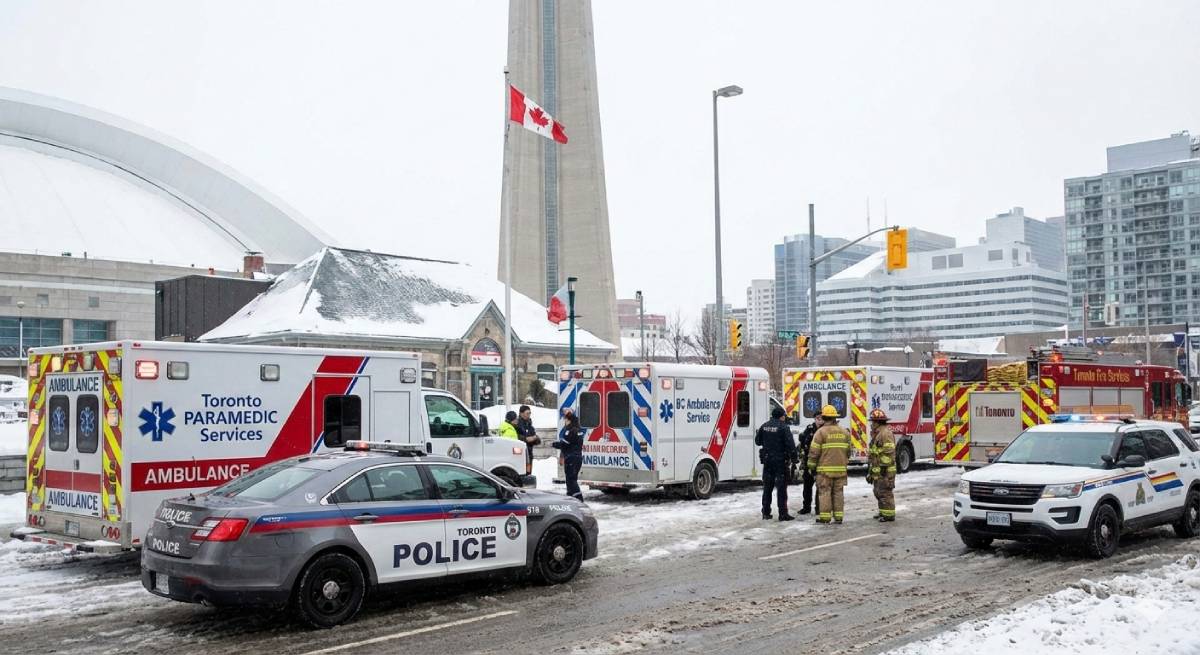
Ambulances and emergency vehicles are not just transportation. They are mobile lifelines. In Canada, these vehicles operate in conditions that would overwhelm most personal cars: heavy snow, road salt, constant moisture, long idle times, rapid temperature changes, and nonstop use.
Yet one of the most common threats to emergency fleets is also one of the least visible: rust.
Rust does not announce itself loudly. It starts quietly inside seams, behind panels, under the chassis, and around critical systems. By the time its visible, repairs are often costly, downtime is unavoidable, and safety can already be compromised. That’s why Rust Proofing, Rust Control, and long-term Rust Protection are essential-not optional-for ambulances across Ontario and Canada.
This guide explains exactly how rust affects emergency vehicles, what Rust Check does differently, when treatments are needed, and how fleet managers can protect vehicles for the long term without guesswork.
Table of Contacs
- Key Takeaways
- Why Rust Is a Serious Problem for Ambulances and Emergency Vehicles
- How Rust Actually Develops in Canadian Emergency Fleets
- Rust Proofing vs Rust Control vs Rust Protection: Clearing the Confusion
- What Makes Rust Check Suitable for Ambulances
- Why Thick Undercoating Often Fails Emergency Vehicles
- Ontario’s Climate and the Need for Annual Rust Protection
- Critical Components Rust Check Protects on Ambulances
- Safety, Inspections, and Compliance
- Reducing Downtime and Operational Disruptions
- New Ambulances vs Older Fleet Vehicles
- Environmental and Sustainability Considerations
- FAQs: Rust Check for Ambulances and Emergency Vehicles
- Conclusion: Protecting the Vehicles That Protect Canadians
Key Takeaways
- Ambulances face higher rust risk than standard vehicles due to constant use and harsh conditions
- Rust can affect safety, inspections, electrical systems, and response readiness
- Rust Proofing prevents corrosion; Rust Control slows existing damage
- Rust Check treatments are designed for complex, high-use emergency vehicles
- Annual protection is critical in Ontario and salt-heavy regions
- Proper rust protection reduces downtime, repair costs, and early vehicle replacement
Why Rust Is a Serious Problem for Ambulances and Emergency Vehicles
Rust is often misunderstood as a cosmetic issue. For emergency vehicles, it is a mechanical, electrical, and structural risk.
Ambulances are exposed to:
- Road salt and brine sprayed continuously in winter
- Moisture from snow, rain, washing, and condensation
- Long idling periods that trap humidity
- Added weight from medical equipment and reinforcements
- Frequent door use, which exposes seams and hinges
These conditions accelerate corrosion in places most drivers never see. Brake lines, fuel lines, electrical grounding points, suspension mounts, and frame components are all vulnerable.
Once corrosion reaches these areas, repairs become complex, expensive, and time-consuming-often forcing vehicles out of service.
How Rust Actually Develops in Canadian Emergency Fleets
Rust begins when metal is exposed to oxygen and moisture. Road salt dramatically speeds this process by acting as an electrolyte, allowing corrosion to continue even in cold temperatures.
In ambulances, rust often starts in:
- Door seams and lower panels
- Undercarriage and frame rails
- Mounting points for stretchers and equipment
- Electrical connectors and grounding locations
- Areas hidden behind interior or exterior panels
Because these areas are concealed, rust can progress for years without obvious signs. This is why relying on visual inspections alone is not enough for fleet protection.
Rust Proofing vs Rust Control vs Rust Protection: Clearing the Confusion
These terms are often used interchangeably, which creates confusion for fleet managers. Understanding the difference helps you choose the right strategy.
Rust Proofing
Rust Proofing focuses on preventing corrosion before it starts. It is most effective on new or newer ambulances and targets:
- Clean metal surfaces
- Seams, joints, and cavities
- Factory weld points
When applied early, Rust Proofing can significantly delay or prevent corrosion for years.
Rust Control
Rust Control addresses existing corrosion. It slows rust progression, displaces moisture, and protects surrounding metal. This is essential for:
- Older ambulances
- Fleets with high mileage
- Vehicles already showing early rust signs
Rust Control does not reverse structural damage, but it can dramatically extend usable life.
Rust Protection (The Big Picture)
Rust Protection refers to a long-term, ongoing strategy that combines prevention, maintenance, and reapplication over time. Most emergency fleets require all three approaches throughout a vehicle’s lifecycle.
Take Action Before Rust Takes Control
If you manage ambulances or emergency vehicles, rust protection isn’t something to postpone. The earlier you put a long-term Rust Protection strategy in place, the more downtime, repair costs, and safety risks you prevent down the road.
Book a Rust Check treatment today or find a certified Rust Check dealer near you in Ontario or anywhere in Canada to create a protection plan that matches your fleet’s real-world demands-not just factory recommendations.
What Makes Rust Check Suitable for Ambulances
Rust Check treatments are designed specifically for real-world Canadian conditions, not showroom vehicles.
Unlike thick undercoatings, Rust Check uses a penetrating, moisture-displacing formula that:
- Creeps into seams and joints
- Reaches hidden corrosion-prone areas
- Does not trap moisture
- Remains effective despite frequent washing
This is particularly important for ambulances, which have complex body structures, electrical systems, and equipment installations.
Why Thick Undercoating Often Fails Emergency Vehicles
Traditional undercoating can look protective, but it carries risks for high-use fleets.
Common issues include:
- Cracking over time, allowing moisture underneath
- Trapping salt and water once damaged
- Hiding corrosion until it becomes severe
- Interfering with inspections and repairs
For emergency vehicles that must remain reliable and inspectable, penetrating rust protection is often the safer choice.
Ontario’s Climate and the Need for Annual Rust Protection
Ontario is one of the most aggressive road-salt users in Canada. Municipalities rely on salt and brine to keep roads safe, but this creates constant exposure for emergency fleets.
Annual Rust Protection is recommended because:
- Winter driving removes protective layers
- Salt residue remains even after spring washing
- New wear points develop each year
Fleet managers searching for “rust proofing near me Ontario” are often looking for programs that align with seasonal realities, not one-time treatments.
Critical Components Rust Check Protects on Ambulances
Rust Check treatments focus on areas that directly affect safety and reliability, including:
- Frame rails and crossmembers
- Brake and fuel lines
- Suspension mounts
- Door hinges, latches, and seams
- Electrical connectors and grounding points
- Undercarriage components
Protecting these areas helps maintain performance under stress and reduces the likelihood of unexpected failures.
Safety, Inspections, and Compliance
Rust can lead to inspection failures, insurance concerns, and early decommissioning of vehicles.
Corrosion may:
- Weaken structural mounting points
- Compromise braking systems
- Interfere with electrical reliability
- Create sharp edges or panel failures
Consistent Rust Control supports compliance with safety standards and reduces last-minute inspection issues.
Reducing Downtime and Operational Disruptions
Emergency vehicles cannot afford extended downtime. Rust-related repairs are often unpredictable and time-consuming.
Rust Check programs help reduce downtime by:
- Preventing corrosion before it reaches critical systems
- Minimizing emergency repairs
- Supporting scheduled maintenance instead of reactive fixes
This leads to better fleet availability and smoother operations.
New Ambulances vs Older Fleet Vehicles
New Ambulances
Applying Rust Proofing early is one of the most cost-effective decisions a fleet can make. Early protection prevents corrosion from starting and preserves long-term value.
Older Ambulances
Rust Control treatments help stabilize existing corrosion and protect remaining metal. Even high-mileage units can benefit significantly from consistent protection.
- Rust Check for Fleets: Why Businesses Trust It for Trucks & Vans
- The Complete Guide to Rust Protection Aerosols: Keep Your Vehicle Safe from Corrosion in Canada
- The Complete Guide to Rustproof Paints and Primers: Stop Rust Before It Starts in Canada
- Rust Check vs. Other Rust Control Brands in Canada
Environmental and Sustainability Considerations
Extending vehicle life is one of the most effective ways to reduce environmental impact. Manufacturing new ambulances requires significant energy, materials, and emissions.
By reducing corrosion-related replacements, Rust Protection supports sustainability goals while maintaining fleet reliability.
FAQs: Rust Check for Ambulances and Emergency Vehicles
- How often should ambulances receive Rust Check treatments in Canada?
Most ambulances should receive Rust Check treatments annually, especially in Ontario. Emergency vehicles operate year-round in salt-heavy environments, and annual applications help maintain protection, address new wear points, and support long-term rust control.
- Is Rust Check safe for electrical and medical systems?
Yes. Rust Check treatments are non-conductive and moisture-displacing. When applied properly, they protect electrical connections rather than interfering with them, making them suitable for vehicles with sensitive medical and communication equipment.
- Can rust protection help pass vehicle inspections?
While rust protection is not an inspection substitute, it supports compliance by preventing structural and component corrosion that can cause failures. Many fleets use rust protection as part of their inspection readiness strategy.
- Does frequent washing remove rust protection?
No. Regular washing removes surface salt and grime but does not eliminate properly applied Rust Check treatments. In fact, washing complements rust protection by reducing surface contaminants.
- Is Rust Check better than undercoating for emergency vehicles?
For most emergency fleets, penetrating rust protection is preferred. Undercoating can trap moisture if damaged, while Rust Check treatments creep into seams and continue protecting hidden areas.
- Can older ambulances still benefit from Rust Control?
Yes. While existing structural rust cannot be reversed, Rust Control slows progression and protects remaining metal. This can significantly extend service life and delay costly replacements.
Yes. Rust Check’s nationwide presence allows fleets operating across Canada to maintain consistent treatment schedules and protection standards, simplifying fleet management.
Conclusion: Protecting the Vehicles That Protect Canadians
Ambulances and emergency vehicles operate under conditions few vehicles ever face. In Canada’s climate, rust is inevitable-but damage doesn’t have to be.
With the right combination of Rust Proofing, Rust Control, and long-term Rust Protection, fleets can extend vehicle life, reduce downtime, maintain safety, and control costs.
Why Canadians Rely on RustCheck.ca for Year-Round Rust Protection
For more than five decades, RustCheck.ca has helped drivers across Canada defend their vehicles against rust, road salt, and tough winter conditions. From everyday commuters to commercial fleets, our rust proofing and rust control solutions are designed to extend vehicle life, preserve value, and reduce long-term repair concerns.
Our Services Include:
- Rust Check Body Panel Protection – A trusted liquid rust inhibitor used in Canada since 1973.
- Coat & Protect Undercarriage Treatment – Long-lasting corrosion protection for high-exposure areas.
- Two-Step Rust Check Application – Customized protection for different vehicle components.
- Fleet, Truck & Trailer Rust Control Programs – Practical, cost-effective solutions for business and government fleets.
- New Vehicle Rust Protection – Helps stop corrosion before it starts.
- Specialty Vehicle Programs – Protection for ambulances, cranes, and commercial equipment.
- Seasonal Vehicle Care Guidance – Expert tips, articles, and videos to help you manage rust year-round.
With a nationwide dealer network, finding a Rust Check location near you is simple. Browse our dealer list to book your appointment and keep your vehicle protected wherever the road takes you.
Whether you want to safeguard your daily driver, maintain a dependable work fleet, or protect a new vehicle from early corrosion, RustCheck.ca offers the experience, proven methods, and national coverage to help you stay ahead of rust.